

Tooth pain can sometimes begin as a minor annoyance but then become difficult to ignore. At other times, severe pain, swelling, or sensitivity can develop quickly. When the pulp inside a tooth becomes severely inflamed or infected, an emergency root canal may be needed to relieve the source of the problem and help save the natural tooth.
However, severe tooth pain does not automatically mean you need root canal treatment. Tooth pain can have several causes. Determining what is happening inside and around the tooth requires an accurate diagnosis. An endodontist has advanced training in diagnosing tooth pain and treating conditions involving the dental pulp and tissues surrounding the roots.
Understanding which symptoms need immediate attention and what happens during an endodontic evaluation can help you know when it is time to seek care.
Why Would a Root Canal Become Urgent?
Inside every tooth is soft tissue called the pulp, which contains nerves, blood vessels, and connective tissue. Deep decay, cracks, repeated dental procedures, or an injury can cause the pulp to become inflamed or infected.
In some cases, symptoms develop gradually. In others, the condition can progress until the pain becomes severe or an infection develops. At that point, delaying evaluation could allow the problem to worsen.
An emergency root canal is not a different type of root canal procedure. The term generally refers to root canal treatment that is needed promptly because of significant symptoms or an infection that requires timely treatment.
During root canal treatment, the inflamed or infected pulp is removed, the inside of the tooth is carefully cleaned and disinfected, and the canals are filled and sealed. The goal is to eliminate the source of the infection or inflammation while preserving the natural tooth.
Signs That Tooth Pain Needs Prompt Evaluation
Not every toothache requires immediate treatment, but certain symptoms should not be ignored. Contact a dental professional promptly if you experience:
- Severe or persistent tooth pain
- Pain when biting or chewing
- Lingering sensitivity to hot or cold
- Swelling or tenderness around a tooth or in the gums
- A pimple-like bump on the gum
- A chipped, cracked, or injured tooth accompanied by pain
- Swelling of the face or jaw
Symptoms can vary considerably. A tooth with significant pulp damage does not always cause severe pain, which is another reason symptoms alone cannot determine whether root canal treatment is necessary.
According to the American Association of Endodontists, tooth pain, prolonged sensitivity, swelling, and tenderness can be among the symptoms associated with problems that require endodontic evaluation.
Severe Tooth Pain Does Not Always Mean You Need a Root Canal

When a tooth hurts badly, it can be easy to assume that a root canal is inevitable. The pulp inside the tooth contains nerves, and inflammation or infection of the pulp can cause tooth pain. However, the tissues surrounding the tooth and its roots also contain nerve fibers and can become painful when they are inflamed or injured. Different dental conditions can therefore cause similar symptoms.
That is why pain alone cannot determine whether an emergency root canal is appropriate.
An endodontist evaluates your symptoms, examines the tooth and surrounding tissues, and performs diagnostic tests as needed. The goal is not simply to locate the tooth that hurts, but to determine the underlying source of the pain and whether the pulp can recover or requires treatment.
Advanced Training and Technology Can Help Pinpoint the Problem
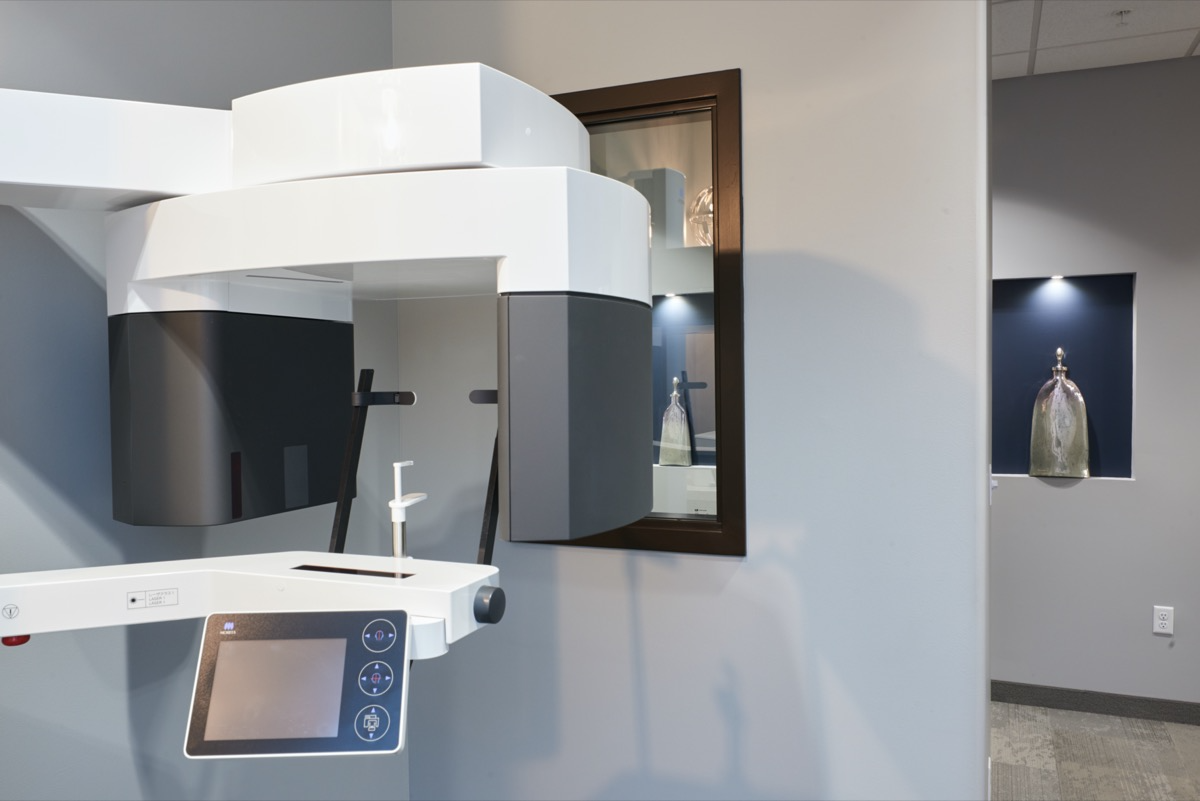
Endodontists are dentists who complete additional specialized training after dental school with an emphasis on diagnosing tooth pain and performing root canal treatment and other procedures involving the inside of the tooth.
Modern endodontic care also incorporates advanced diagnostic and treatment technology. At Modern Care Endodontics, this includes three-dimensional cone-beam computed tomography (CBCT) imaging and surgical operating microscopes.
CBCT imaging can provide three-dimensional views of the teeth, roots, jawbone, and surrounding structures. This additional detail can be especially useful when conventional dental X-rays do not provide all of the information needed to evaluate a complex problem.
Operating microscopes provide high levels of magnification and illumination, allowing an endodontist to see the small and intricate structures inside a tooth during treatment.
This combination of specialized training and advanced diagnostic technology allows an endodontist to evaluate the tooth, its root structure, and surrounding tissues in greater detail, helping to identify the source of the problem and determine whether root canal treatment is necessary.
What Happens If You Need an Emergency Root Canal?
If the examination shows that the pulp is severely inflamed or infected and cannot heal, root canal treatment can remove the affected tissue and address the source of the problem.
After the area is thoroughly numbed, the endodontist creates a small opening in the tooth to access the pulp chamber and root canals. The damaged or infected pulp is removed, and the canals are cleaned, disinfected, shaped, filled, and sealed.
Modern techniques and effective local numbing help make root canal treatment much more comfortable than many patients expect.
After root canal treatment, the tooth generally needs to be restored appropriately by your general dentist. Depending on the tooth and its condition, this may involve a permanent filling or crown.
Why Waiting Can Make a Tooth Problem More Complicated
It can be tempting to wait and see whether tooth pain goes away, particularly when symptoms temporarily improve. But a decrease in pain does not necessarily mean that the underlying problem has resolved.
If the pulp dies, for example, pain can sometimes diminish even though infection remains within the tooth. An untreated infection can extend beyond the root and affect the tissues and bone surrounding the tooth.
Prompt diagnosis gives the endodontist an opportunity to determine what is causing the symptoms and what treatment, if any, is necessary. When root canal treatment is appropriate, treating the tooth before the problem progresses can help preserve the natural tooth.
Getting Care When Tooth Pain Cannot Wait
Significant tooth pain rarely happens at a convenient time. When symptoms suddenly worsen, patients understandably want to know how quickly they can be evaluated.
Our endodontists understand the importance of timely evaluation when patients are experiencing significant tooth pain. Our patient stories and videos reflect the team’s efforts to accommodate patients who need treatment quickly.
If you are experiencing severe or worsening tooth pain, swelling, or other concerning symptoms, contact Modern Care Endodontics. The team can evaluate the source of your symptoms and determine whether an emergency root canal or another treatment is appropriate.
Frequently Asked Questions
Can an untreated tooth infection affect other parts of the body?
Yes. An infection that begins inside a tooth can spread beyond the root into the surrounding bone and tissues. If it continues to spread, it can involve areas of the face, jaw, or neck. In rare cases, bacteria from a dental infection can spread through the bloodstream and contribute to sepsis, a potentially life-threatening response to infection. This is one reason a suspected tooth infection should be evaluated and treated rather than waiting for the pain to go away.
Will antibiotics cure an infected tooth without a root canal?
Not necessarily. Antibiotics can be important when a dental infection has spread beyond the tooth, but they do not remove infected or damaged pulp from inside the tooth. If the pulp is irreversibly infected, root canal treatment can remove the diseased tissue, clean and seal the canals, and help preserve the tooth.
When should tooth pain be treated as a medical emergency?
Seek emergency medical care if a dental infection is accompanied by difficulty breathing or swallowing or significant swelling of the face or neck. Fever together with facial swelling can also indicate that an infection has spread and needs immediate attention.
How quickly should I seek care for severe tooth pain?
Severe, persistent, or worsening tooth pain should be evaluated promptly, particularly when it is accompanied by swelling, tenderness, or other signs of infection. An endodontic evaluation can determine the cause and whether an emergency root canal or another treatment is needed.