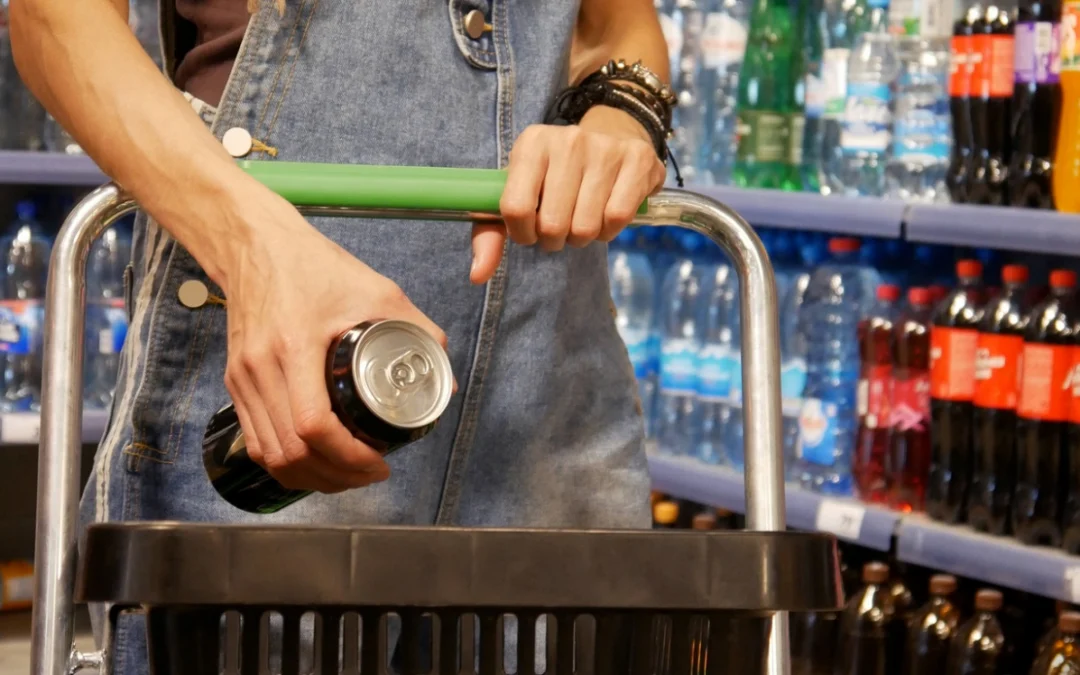
Summer often means longer days, busy schedules, road trips, outdoor projects, workouts, recreational sports, and trying to keep up with packed calendars. For many people, energy drinks become a quick source of extra alertness and energy.
Bright cans. Bold flavors. Promises of focus, stamina, and performance.
But when it comes to energy drinks and tooth damage, there is more to consider than caffeine alone.
At Modern Care Endodontics, we specialize in diagnosing and treating problems inside the tooth. That includes evaluating tooth pain, inflammation, and infections that may require specialized endodontic care.
While many people associate energy drinks with sleep disruption or jitters, they may not realize these beverages can also take a toll on oral health.
Why Energy Drinks Can Be Hard on Teeth
Many energy drinks deliver a double challenge to your teeth: sugar and acid.
Sugar feeds bacteria naturally present in the mouth. As bacteria digest sugars, they produce acids that attack tooth enamel.
At the same time, many energy drinks are acidic on their own. That acidity can soften and weaken enamel directly, even in some lower-sugar or sugar-free products.
Energy drinks are not the only beverages that can affect teeth. Sports drinks, soda, and other acidic beverages may also contribute to enamel erosion, cavities, or tooth sensitivity. Energy drinks are the focus of this article because they are widely consumed and often combine acidity and, depending on the product, sugar.
According to the American Dental Association’s MouthHealthy resource on enamel erosion, acidic foods and beverages can wear away tooth enamel over time, increasing the risk of sensitivity and other dental concerns such as higher cavity risk and weakened tooth structure.
Even people who brush and floss regularly can unknowingly put their teeth under repeated stress through beverage choices and drinking habits.
Sugar-Free Does Not Always Mean Tooth-Friendly
Some people switch to sugar-free energy drinks, assuming they are safer for their teeth.
From a cavity standpoint, reducing sugar can help. However, many sugar-free energy drinks still contain acids that can erode enamel over time.
That means a beverage can still contribute to energy drinks and tooth damage even when it contains little or no sugar.
Why Energy Drinks Are Not Recommended for Children and Teens
Energy drinks are widely marketed and easy to find, but they are generally not recommended for children and adolescents. The American Academy of Pediatrics advises against energy drink consumption in these age groups because of concerns related to caffeine and other stimulant ingredients.
From an oral health standpoint, children’s and teens’ teeth may also face repeated exposure to sugar and acid from these beverages. Combined with factors such as sports participation, busy schedules, orthodontic appliances, or inconsistent brushing habits, energy drinks may increase the risk of enamel erosion, cavities, and tooth sensitivity.
Parents may be surprised to learn that energy drinks are sometimes consumed before sports, studying, gaming, or social activities — making awareness and healthy beverage habits important conversations for families.
Why Frequency Matters More Than You Think

With acidic beverages, frequency matters.
Every sip creates a new acid exposure to your teeth. Slowly drinking an acidic beverage during a commute, workday, workout, study session, gaming session, or outdoor summer activity can prolong the amount of time acids remain in contact with enamel.
Your mouth naturally works to neutralize acids and repair early enamel changes. Constant exposure gives your teeth less opportunity to recover.
This is one reason energy drinks and tooth damage can become a concern for busy, active people.
Early Warning Signs Your Teeth May Be Reacting

The effects of acidic and sugary beverages are not always obvious right away.
Some possible warning signs include:
- Sensitivity to cold drinks or cold air
- Discomfort when eating sweets
- Lingering sensitivity after acidic beverages
- Tooth pain that comes and goes
- Visible enamel wear or increased translucency near the edges of teeth
Tooth sensitivity does not automatically mean you need a root canal. However, symptoms that linger, worsen, or repeatedly return should not be ignored.
When Tooth Damage Goes Beyond the Surface
Many people think energy drinks only contribute to cavities or enamel erosion.
Sometimes, however, dental problems can progress deeper.
When decay, cracks, severe wear, or inflammation reach the inner pulp of the tooth — the area containing nerves and blood vessels — symptoms such as persistent sensitivity, tooth pain, swelling, or infection may develop.
At that point, treatment may go beyond a filling. In some cases, a root canal may be needed to save the natural tooth and relieve pain.
At Modern Care Endodontics, root canal treatment is our specialty. We work closely with general dentists to diagnose and treat problems inside the tooth and help patients preserve their natural smiles whenever possible.
Healthier Habits for Your Teeth and Energy Levels
You do not necessarily have to eliminate every caffeinated beverage forever.
Simple habits may help reduce risk:
- Choose water as your primary beverage throughout the day.
- Avoid frequent exposure to acidic beverages, including energy drinks, sports drinks, and soda.
- Avoid sipping acidic beverages over long periods.
- Rinse with water afterward to help reduce acid exposure.
- Wait about 30 minutes before brushing after acidic drinks to avoid brushing softened enamel.
- Support natural energy through sleep, hydration, balanced meals, and regular nutrition habits.
Protecting your teeth does not mean giving up a busy or active lifestyle. Awareness and moderation can go a long way.
Our Takeaway at Modern Care Endodontics
Energy drinks may offer temporary alertness, but frequent exposure to sugar and acid can affect your oral health in ways many people do not expect.
Understanding the connection between energy drinks and tooth damage can help you make informed choices for your smile.
If you are experiencing tooth sensitivity, lingering discomfort, or unexplained tooth pain, do not ignore the warning signs. Modern Care Endodontics specializes in diagnosing and treating problems inside the tooth, including root canal treatment, to help save natural teeth and relieve pain.
Frequently Asked Questions: Energy Drinks and Tooth Damage
Are energy drinks worse for teeth than sports drinks or soda?
All three can affect oral health because many contain sugar, acid, or both. The degree of risk depends on factors such as acidity, sugar content, serving size, and how frequently they are consumed. Energy drinks are the focus here because they are widely used and often combine acidity and, depending on the product, sugar.
Are energy drinks safe for teenagers?
Energy drinks are not recommended for children and adolescents. The American Academy of Pediatrics advises against their use in these age groups because of concerns related to caffeine and stimulant ingredients.
Many parents may be surprised by the caffeine content of some energy drinks. Depending on the brand and serving size, a single container may contain roughly 80–300 mg of caffeine or more. For comparison, an 8-ounce cup of coffee typically contains around 80–100 mg of caffeine. Some larger energy drink containers may also contain multiple servings.
From an oral health standpoint, energy drinks may also expose teens’ teeth to sugar and acid that can contribute to enamel erosion, cavities, and tooth sensitivity.
What are some healthier alternatives to energy drinks?
If you are looking for more energy without relying on energy drinks, healthier options may include:
- Water for hydration
- Adequate sleep and consistent sleep habits
- Balanced meals and snacks with protein, fiber, and healthy carbohydrates
- Coffee or tea in moderation for adults, depending on individual health considerations
- Appropriate hydration and nutrition for sports and exercise
For teens and young adults, addressing factors such as sleep, hydration, busy schedules, or skipped meals may be more helpful than relying on highly caffeinated beverages.
Can energy drinks lead to root canal treatments?
Energy drinks themselves do not directly cause root canal treatment. However, repeated exposure to sugar and acid can contribute to decay, enamel erosion, or tooth damage that, if severe enough, may eventually affect the pulp of the tooth and require root canal treatment.
How can I protect my teeth if I drink energy drinks?
Try limiting how often you drink them, avoid prolonged sipping, rinse with water afterward, maintain good oral hygiene, and see your dentist regularly. If you develop lingering tooth sensitivity or pain, seek evaluation promptly.