

Preparing for a root canal often brings up questions about what happens afterward. When can I eat? Will my tooth hurt? Can I go back to work? Understanding the root canal recovery timeline can help you feel more comfortable about your appointment and know how to care for your tooth afterward.
At Modern Care Endodontics in Apple Valley and Lakeville, MN, we want you to leave your appointment knowing how to care for your tooth and what to expect as you recover. The following guide explains the usual stages of recovery but always follow the instructions we provide for your tooth.
The First Few Hours: Let the Numbness Wear Off
After we finish your root canal, the treated area may remain numb for several hours. Wait until the numbness has completely worn off before eating so you do not accidentally bite your cheek or tongue. Avoid hot foods and drinks while you are numb, too.
Many patients can return to work or other routine activities the same day. If you received sedation or take medication that causes drowsiness, follow the instructions you receive about driving, working, and resting.
Once you can eat, choose soft foods such as oatmeal, scrambled eggs, mashed potatoes, or lukewarm soup. Chew on the opposite side of your mouth and avoid using the treated tooth until your dentist has permanently restored it and cleared you to do so.
Your Root Canal Recovery Timeline: The Next Few Days
You may notice some soreness around the treated tooth as the anesthetic wears off. Your jaw may also feel tired from holding your mouth open during the appointment. These symptoms are usually temporary.
During your root canal, we remove the inflamed or infected pulp inside your tooth. However, the tissues surrounding its roots still contain nerves. Those tissues can remain inflamed or tender while they recover, particularly if the tooth was painful or infected before treatment.
The American Association of Endodontists explains that mild discomfort commonly improves within three to five days. Your root canal recovery timeline may differ, but symptoms should generally become less noticeable rather than worsen.
Follow our instructions for managing discomfort. Over-the-counter medication may be enough, but the right choice depends on your health history and other medicines. If you are unsure what you can take, call us so we can guide you.
Continue brushing and flossing, being gentle around the treated area. Avoid hard, crunchy, or sticky foods that could damage the tooth or disturb a temporary restoration.
After Treatment: Complete Your Permanent Restoration
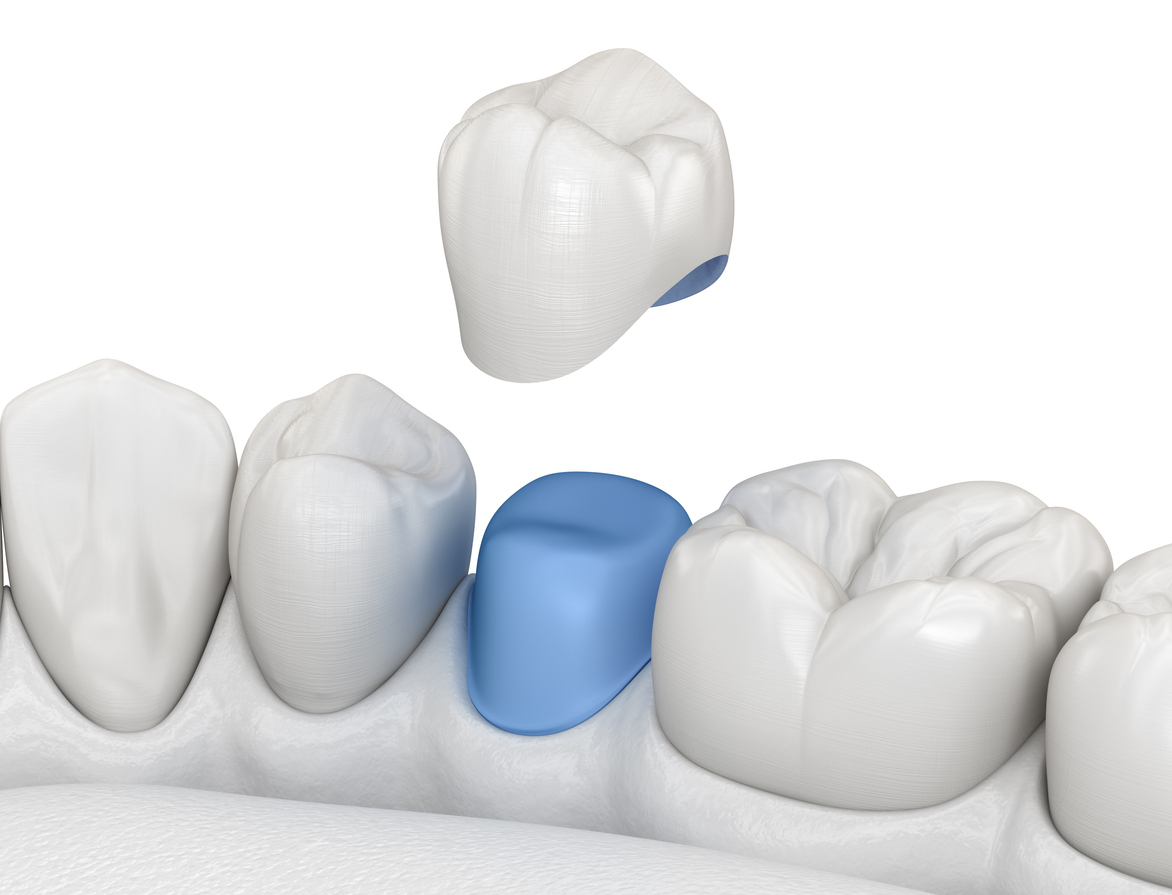
Once your tooth feels better, it can be easy to think your dental care is complete. However, the root canal and the permanent restoration serve different purposes. We treat the inside of your tooth, and your general dentist restores and protects the outside.
We often place a temporary filling to seal the opening after root canal treatment. You will then need to return to your dentist for the appropriate permanent restoration.
Depending on the tooth and how much healthy structure remains, this may be a permanent filling or a crown. The restoration helps seal the tooth against bacteria and protects it during everyday use.
Please schedule with your general dentist as soon as we advise. As explained in our patient FAQ, we ask you to schedule an appointment for a permanent filling or crown no later than 30 days after treatment. Make this appointment promptly and follow the timing we recommend for your tooth.
If we recommend that you return to our office for a healing check, please keep that appointment. Even after tenderness has resolved, healing around the root can continue over a longer period.
When Should You Call After a Root Canal?
We want to hear from you if your recovery is not progressing as expected. Do not wait for a scheduled follow-up appointment if something feels wrong. Call our office at 952-920-4400 right away if you notice:
- Severe pain or pressure, worsening pain, or pain that is not improving after a few days
- Visible swelling inside your mouth or in your face, or a fever
- A bite that feels uneven, as though the treated tooth touches first
- A temporary filling or crown that comes out
- Symptoms that return after initially improving
If the office is closed, follow the after-hours instructions provided with your treatment. If you cannot reach our team, seek urgent dental care for severe pain or swelling. Seek emergency medical care immediately for difficulty breathing or swallowing or rapidly spreading swelling of the face or neck.
Let Us Help You Protect Your Tooth
Our goal is to help you keep your natural tooth and return to eating and smiling comfortably. Your care after the appointment matters, too. Follow the instructions we give you, complete the permanent restoration with your dentist, and continue your regular brushing, flossing, and dental checkups.
If you have questions about soreness, your temporary filling, or the next steps with your dentist, our team at Modern Care Endodontics is here to help. Call 952-920-4400 or contact our office for help with your recovery or to schedule an evaluation in Apple Valley or Lakeville.